 Monthly Special —


A family emergency pantry only works if your family will actually eat what’s in it. The best-stocked shelf in the world is useless if nobody touches the food. Here’s how to build one that gets used.
Start with two weeks. Two weeks of food and water for everyone in the house is a realistic first goal. It’s affordable, it fits in a closet, and it covers the most common disruptions — storms, outages, and supply hiccups.
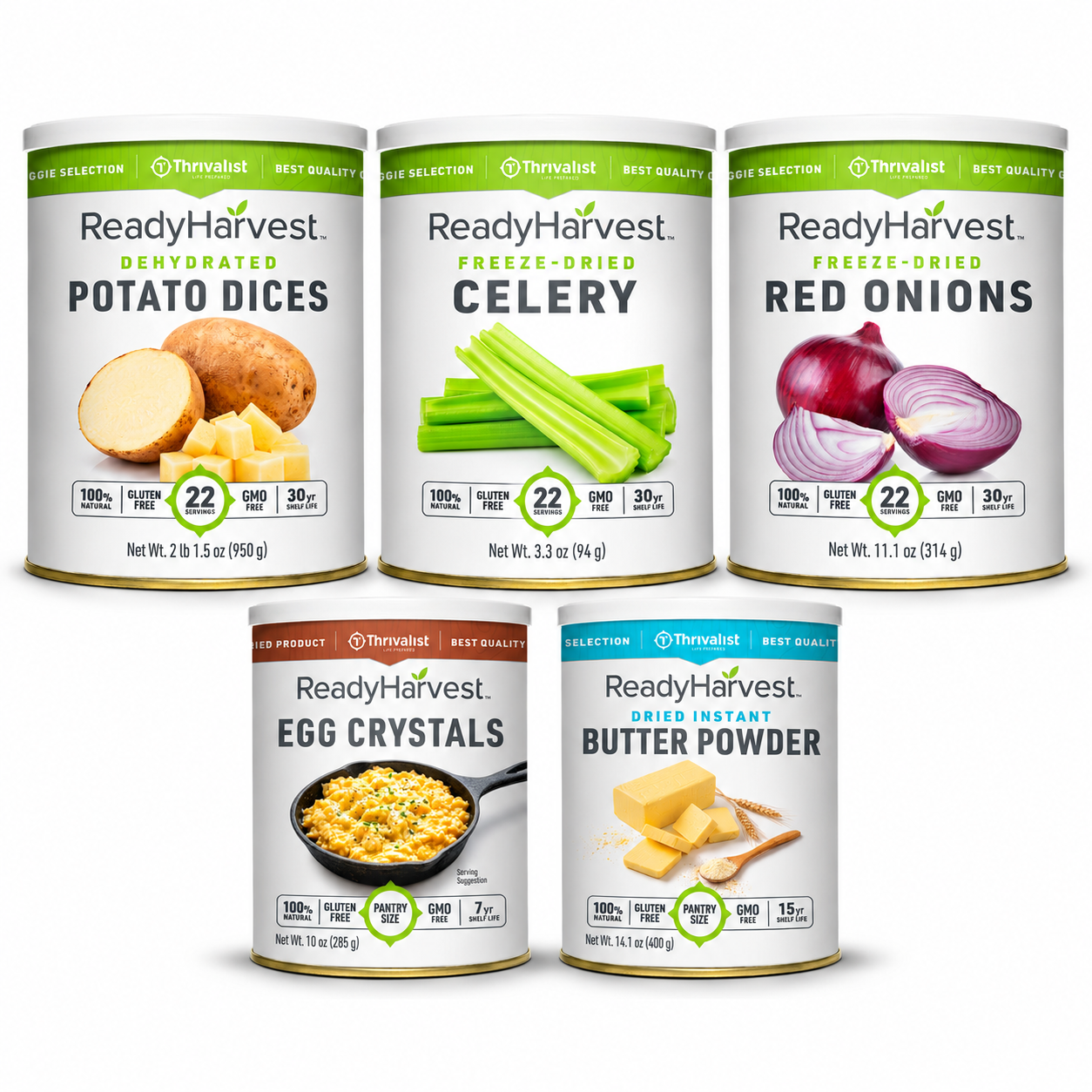
Store what you eat. This is the golden rule. If your family eats pasta, rice, oats and chicken, store those — in freeze-dried form, where they’ll last 25–30 years. Ready Harvest ingredients cook like fresh food, so your pantry doubles as your everyday pantry, and rotation happens naturally.
Plan by person, not by guess. A rough rule of thumb is 12 #10 cans per person per month. A one-month bulk pack per person ($364.86) is the simplest way to hit that number without doing the math yourself. Use our Food Storage Calculator to size it for your family.
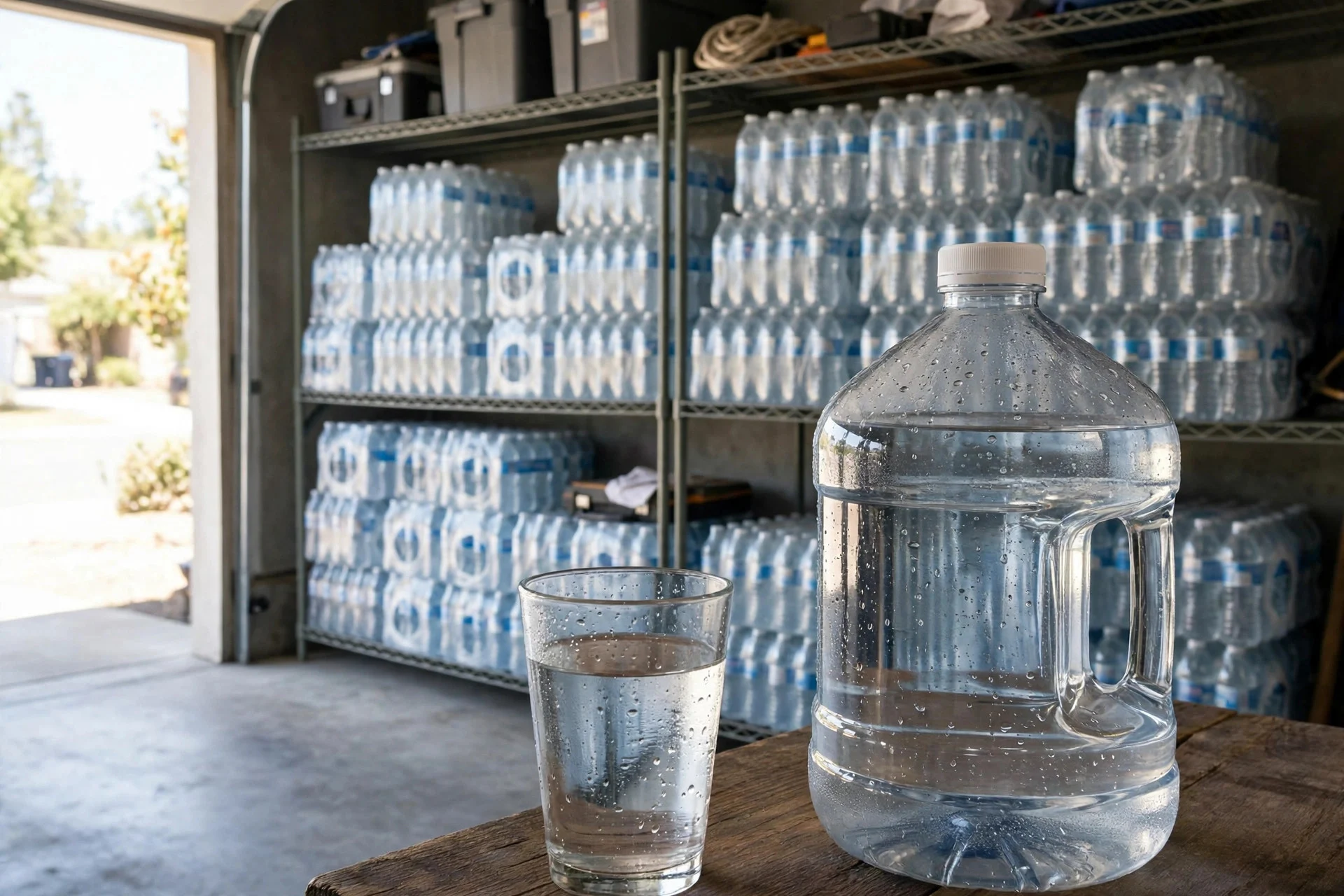
Don’t forget water. Two gallons per person per day, and remember you need water to cook, too. A Puravai reserve covers the long term.
Grow to three months. Once two weeks is done, build toward three months — the standard preparedness target. Add a month at a time; a 3-month pack is $1,130.56 per person, and Subscribe & Save cuts 22%.
Keep it visible and simple. Label everything, keep a list on the pantry door, and cook from it once a month. A pantry your family uses is a pantry that stays fresh — and a plan that actually works when you need it.